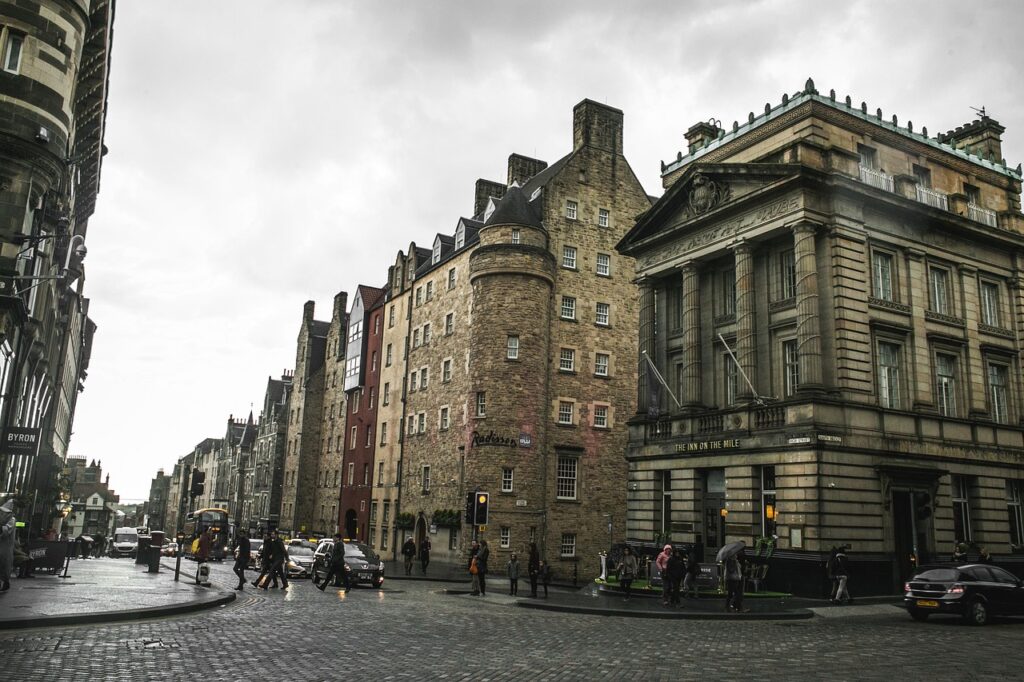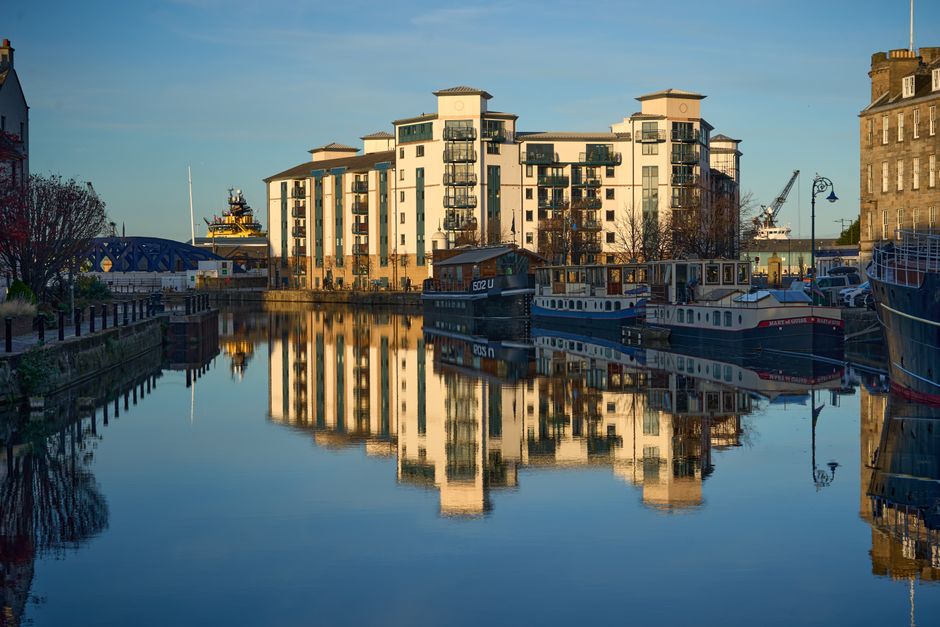






Introduction: Understanding Edinburgh’s Weather to Plan Your Trip
Edinburgh, Scotland’s historic capital, is a city where the weather can change in a heartbeat and the seasons largely shape the visitor experience. From the cobbled alleys of the Old Town and the grassy summit of Arthur’s Seat to Portobello’s seafront, each microclimate shifts the city’s vibe, what you can do and even opening hours for attractions. This month-by-month guide is designed to help you decide when to visit Edinburgh based on what you’re after: lounging on an urban beach, panorama hikes, cultural festivals, staying dry inside museums and pubs, or soaking up a wintry atmosphere.
In this introduction we’ll cover some essential weather and travel basics. Edinburgh has a temperate oceanic climate: winters are generally mild compared with inland areas but wet, while summers are cool and can be sunny. Rain is spread across the year, and winds from the sea are a major factor — expect breezy days, even in summer. That also means average temperatures don’t swing wildly: January often sees lows near 0 °C and highs around 6–8 °C, while July and August typically bring warmer days with average highs between 18 and 21 °C.
Beyond the numbers, think practical: rain can interrupt outdoor visits (castles, hills, gardens), but museums, traditional pubs and restaurants remain accessible. Festivals — especially the Edinburgh Festival Fringe and the Edinburgh International Festival in August — transform the city: longer queues, higher accommodation prices, but extraordinary cultural energy. Quiet stretches (November–February, outside Christmas and New Year) let you enjoy attractions with fewer crowds, if you accept shorter, sometimes greyer days.
This month-by-month guide outlines typical weather, recommended activities, attractions to favor depending on the forecast, and concrete local tips: exact addresses, prices in euros, typical opening times, best hours to visit, and tricks to avoid or make the most of rain. Practical clothing and equipment recommendations appear in the useful tips sections. We’ll also include visual cues — image markers meant to illustrate each seasonal mood — to help you picture what to expect.
Whether you’re a keen hiker aiming for Arthur’s Seat, a theatre fan drawn to Fringe performances, a romantic longing for a misty stroll along the Royal Mile, or a foodie wanting to explore Leith and the Old Town’s culinary scene, you’ll find precise advice here to pick the best month for you. We also include practical info like opening hours for Edinburgh Castle (Castlehill, Edinburgh EH1 2NG) and the Palace of Holyroodhouse (Canongate, Edinburgh EH8 8DX), typical entrance fees in euros, and suggestions for restaurants and cafés that fit rainy days.
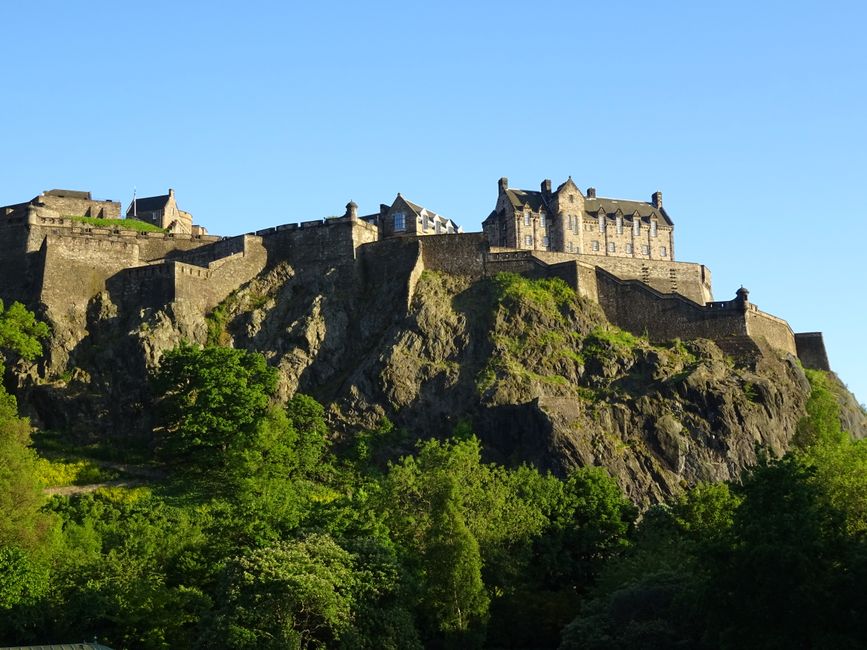
January to March: Bright Winters, Low Prices and Local Vibes
The first months of the year in Edinburgh offer a different experience: fewer tourists, more affordable accommodation and a more authentic local atmosphere. January is often cold and wet, sometimes misty, but the city remains lively, particularly around New Town and in traditional pubs. Average temperatures typically range from 0 °C to 7 °C; February is similar, sometimes a bit drier, and March starts to hint at spring as days slowly lengthen. Expect frequent precipitation — light rain, drizzle and wind — but also surprising bright spells.
Why come between January and March? If you’re after low prices and fewer crowds, this period is ideal. Hotels often run deals and major attractions are less busy, meaning you can visit places like Edinburgh Castle (Castlehill, Edinburgh EH1 2NG) with shorter waits. Indicative prices: adult entry to Edinburgh Castle around €24 — typically open 09:30–17:00, hours may vary off-season. The Palace of Holyroodhouse (Canongate, Edinburgh EH8 8DX) charges about €16 for adult entry, usual hours 09:30–17:30 (closing times vary with royal events).
Recommended activities: focus on indoor visits and short walks. The National Museum of Scotland (Chambers St, Edinburgh EH1 1JF) is free and hosts fascinating exhibits; common opening hours 10:00–17:00. The Scottish National Gallery (The Mound, Edinburgh EH2 2EL) offers a dry cultural respite, free for the permanent collection, open 10:00–17:00. For a gastronomic treat try The Witchery by the Castle, 352 Castlehill, Edinburgh EH1 2NF — a romantic dinner in a gothic setting; tasting menus start around €55 per person.
Weather tips and gear: bring a waterproof, windproof jacket, thermal layers, a hat and gloves. Waterproof shoes with grippy soles are recommended for wet cobbles and muddy Arthur’s Seat trails (Queen’s Drive, Edinburgh EH8 8HG), accessible 24/7 but pick drier days for a more pleasant climb. Local buses (Lothian Buses) sell single tickets for about €2.50; for multiple trips buy a day ticket for around €4.50–5.50 or use contactless payments.
Local tips: avoid high tourist season but schedule visits to popular attractions early in the morning to enjoy the calm. Old Town pubs like The Last Drop (74-76 Grassmarket, Edinburgh EH1 2JR) are cosy in cold weather: mains around €12–18 and local pints €4–6. Check opening times online before you go — some sites close earlier in winter or adjust hours for maintenance.
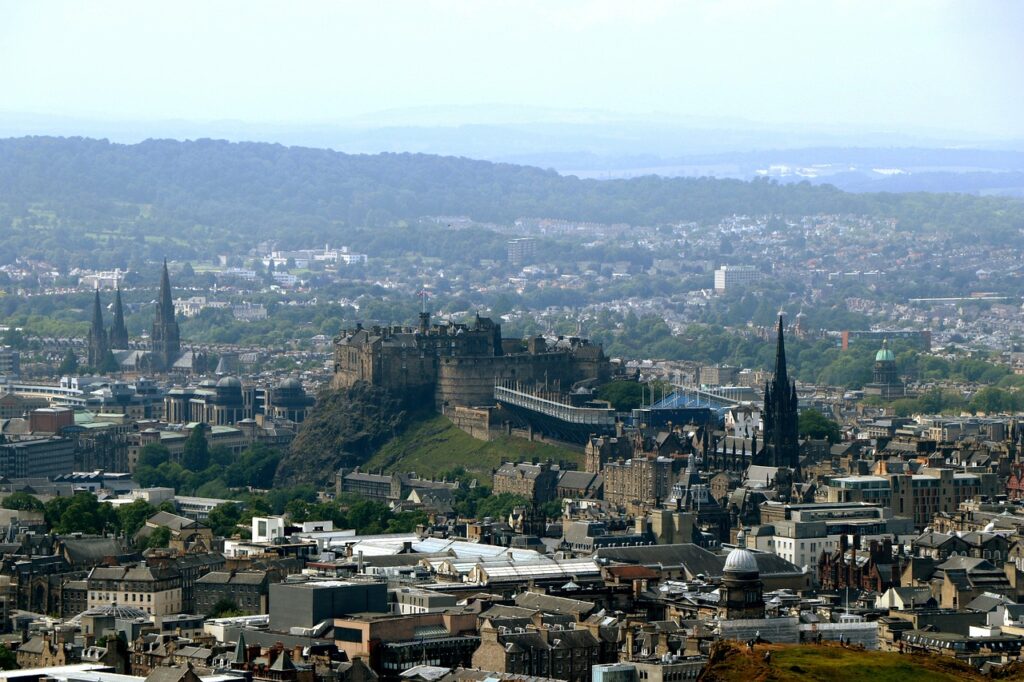
April to June: Variable Spring, Blooms and Longer Days
April to June marks a pleasant transition: days get noticeably longer, parks and gardens begin to bloom and the air warms up. Average temperatures move from 8–12 °C in April to 12–18 °C in June; this is usually when the risk of rain eases a little, although wet weather remains a regional trait. Local events pick up and the city readies for the tourist season without the full summer crowds.
Why choose spring? To see cherry blossoms and daffodils in Princes Street Gardens (Princes St, Edinburgh EH2 2HG) and at the Royal Botanic Garden Edinburgh (20A Inverleith Row, Edinburgh EH3 5LR), which typically opens around 10:00–17:00 (times vary seasonally). Entry to the main botanic garden areas is free; some temporary displays may charge around €5–10. Spring is a great compromise for milder weather and still-reasonable accommodation rates.
Recommended activities: enjoy outdoor walks on clear days — a sunrise climb up Calton Hill (Regent Rd, Waterloo Place, Edinburgh EH1 3DG) offers stunning horizon views; open 24/7. Guided Old Town and Royal Mile (High Street, Edinburgh EH1) tours increase in spring: expect about €12–20 for a two-hour walking tour. For families, Dynamic Earth (112-116 Holyrood Rd, Edinburgh EH8 8AS) provides an interactive Earth and climate experience; adult tickets around €16–20, open 10:00–17:00.
Practical tips: pack a lightweight waterproof and adaptable layers. Sunny afternoons can turn windy in the evenings; a scarf and windproof jacket will come in handy. Edinburgh’s tram links the airport to the city centre: single fares are roughly €7 (subject to current rates), with trams every 7–10 minutes during the day. If you plan to explore the coast, Portobello Beach (Promenade, Portobello, Edinburgh EH15 1HP) makes for a refreshing stroll; cafés and ice cream shops typically reopen from April.
Spring picks: lunch at The Gardener’s Cottage, 1a Royal Terrace, Royal Terrace Gardens, Edinburgh EH7 5AR — seasonal small plates to share from about €10–18; closed some days, so check online (often lunch 12:00–14:30, dinner by reservation). For a cultural afternoon visit the Scottish National Portrait Gallery (1 Queen St, Edinburgh EH2 1JD) with rotating temporary exhibitions — permanent collection free, open 10:00–17:00.
July to September: Active Summer, Festivals and Long Days
Summer months are Edinburgh’s high season. July and August bring huge crowds for the festivals — the Edinburgh International Festival and the Edinburgh Festival Fringe — while September often retains warm, pleasant weather with fewer visitors. Average temperatures sit between 15 and 21 °C, though spikes to 24 °C can occur in warmer years. Weather remains changeable: sunny spells interspersed with occasional showers. Days are long, especially in June and July, giving you lots of time for walks and evening events.
Why favor summer? For an abundance of cultural activities, outdoor events and lively nights out. The Edinburgh Festival Fringe (venues across the city, including the Royal Mile and Assembly Rooms, George St, Edinburgh EH2 2LR) happens in August and features thousands of shows — individual ticket prices vary, often between €5 and €20 depending on the production. Book shows and accommodation well in advance; prices rise sharply during this period.
Highlights: catch an outdoor show in Princes Street Gardens (Princes St, EH2 2HG) or head up Calton Hill to watch the Royal Edinburgh Military Tattoo fireworks if you’re there in August (ticketed event, €30–80). Visit the National Museum of Scotland early to avoid crowds; some temporary exhibits may cost €10–15. Explore Leith’s neighbourhood life: stroll along The Shore, Leith (The Shore, Edinburgh EH6 6QN) and dine at places like The Kitchin (78 Commercial St, Leith, Edinburgh EH6 6LX) — chef’s tasting menus from about €95.
Tips for crowds and weather: plan popular visits early in the morning (Edinburgh Castle typically opens 09:30) or late afternoon. Buy skip-the-line tickets online for main attractions. If rain rolls in, switch to indoor activities: cafés, microbreweries, museums and galleries. For a quiet moment, walk Portobello Beach early in the morning before families arrive.
Transport and costs: taxis and ride-hailing prices climb in summer; walking is often the best way to get around the historic centre. Hop-on hop-off tourist buses run 24-hour circuits for €20–30. Budget travellers can use a day of bike-sharing or transport passes to save. Expect to spend €15–35 per person for a meal at a decent restaurant; pub meals start around €10.

October to December: Autumn Colours, Christmas Markets and Year-End Festivities
Autumn in Edinburgh brings warm hues, misty mornings and cosy market-and-pub atmospheres. October offers mild temperatures (about 8–13 °C) and beautiful wooded scenery, November turns greyer and wetter with temperatures around 5–9 °C, and December brings Christmas lights, markets and the famous Hogmanay (Scottish New Year) on 31 December. Days shorten noticeably, so plan outdoor activities for the morning and afternoon.
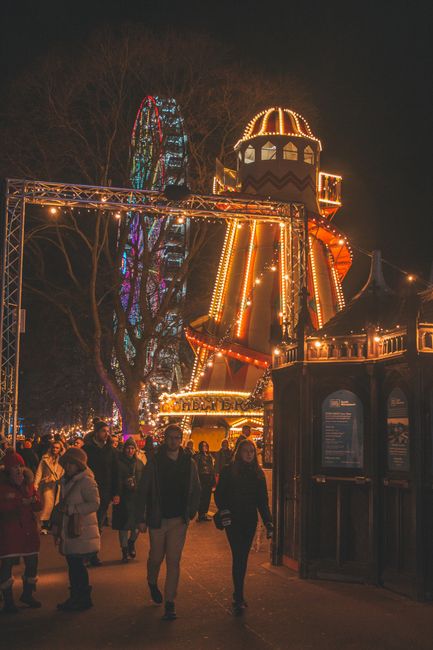
Why visit in autumn / early winter? To enjoy fall colours, lighter tourism than in summer and local traditions. Edinburgh’s Christmas market (usually around East Princes Street Gardens, Princes St, EH2) features rides, gift stalls and seasonal food — free entry, though activities cost between €5 and €15. Hogmanay is iconic: concerts, fireworks and street parties with variable prices; some events require tickets, often €20–100 depending on the package.
Recommended activities: explore museums and galleries that also host special seasonal exhibitions. Visit the Scotch Whisky Experience (354 Castlehill, Edinburgh EH1 2NE) for a tasting: standard tastings cost around €20–30; open 10:00–17:00. The Grassmarket alleyways (Grassmarket, EH1) are particularly welcoming with historic pubs and local markets. For a peaceful panoramic view, a clear autumn day is perfect for climbing Arthur’s Seat; bring waterproof shoes and a headlamp if you plan to return after dark.
Practical tips: pack a warm coat, a sturdy umbrella and insulating layers. Opening hours may be reduced on holidays — check ahead for days like 25 December when many places close. For festive meals, book early — many restaurants offer special Christmas and New Year menus. If it’s too cold outside, head to heated attractions like the Royal Yacht Britannia (Ocean Terminal, Leith, Edinburgh EH6 6JJ) — adult tickets around €17–20; winter opening often 10:00–16:00.
Practical Tips, Gear and Activities by Interest
Whether you come for hiking, culture, shopping or food, matching your gear and itinerary to the weather is essential. Here are practical tips and activity suggestions sorted by interest: outdoor adventure, culture and museums, food, nightlife, and family-friendly options.
Outdoor Adventure
- Arthur’s Seat (Queen’s Drive, Edinburgh EH8 8HG): open year-round, allow 1–3 hours depending on route. Wear sturdy hiking boots, a windproof jacket and bring water. Best time: morning to avoid the stronger afternoon winds.
- Calton Hill (Regent Rd, Waterloo Place, Edinburgh EH1 3DG): a short climb (15–30 minutes) for a city panorama. Ideal at sunrise or sunset. Free entry.
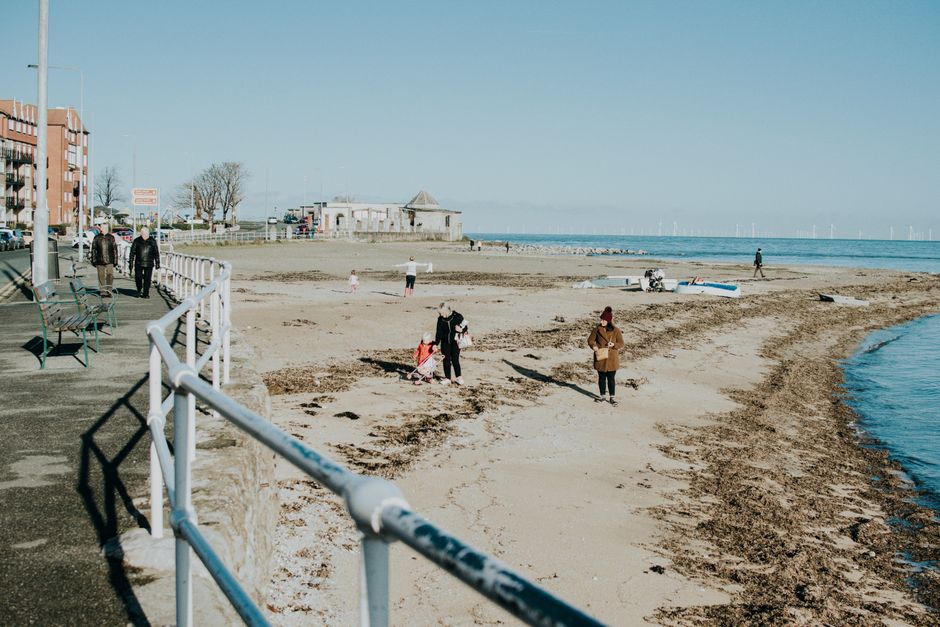
- Portobello Beach (Promenade, Portobello, Edinburgh EH15 1HP): a coastal walk with cafés along the promenade that are mostly open May–September. Great for an afternoon in summer.
Local tip: paths outside the city can get muddy; bring gaiters if you plan to explore beyond Arthur’s Seat. Check local weather forecasts (BBC Weather, Met Office) the day before to avoid storms.
Culture and Museums
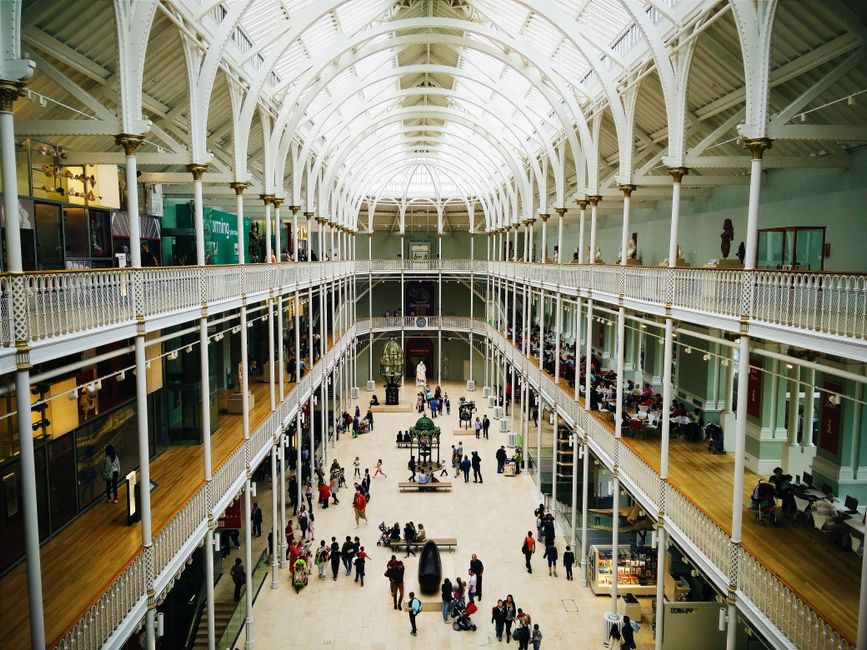
- National Museum of Scotland (Chambers St, Edinburgh EH1 1JF): free entry, open 10:00–17:00. Permanent displays cover natural history, science and Scottish culture.
- Palace of Holyroodhouse (Canongate, Edinburgh EH8 8DX): the monarch’s official residence in Scotland during visits, entry ~€16; usual hours 09:30–17:30, check for closures.
- Royal Yacht Britannia (Ocean Terminal, Leith, Edinburgh EH6 6JJ): tour the royal yacht, tickets €17–20, open 10:00–16:00 in low season.
Tip: book online to avoid queues and check temporary exhibitions. Some galleries host evening events with music and drinks; look up programmes at Edinburgh Festival Theatre (13 Waterloo Pl, Edinburgh EH1 3EG).
Food and Pubs
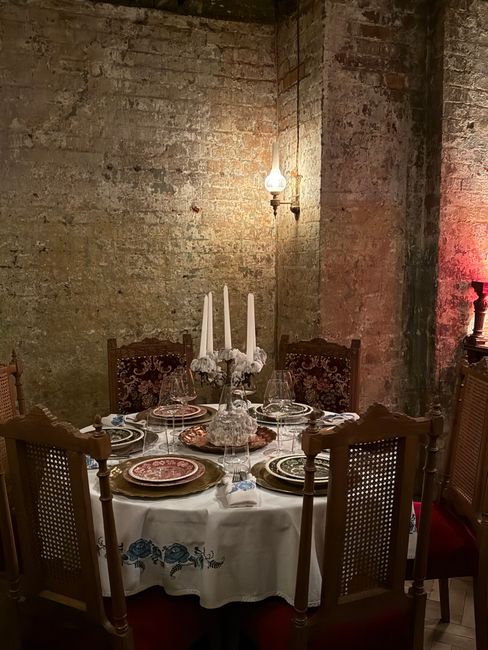
- The Witchery by the Castle (352 Castlehill, Edinburgh EH1 2NF): gothic fine dining, mains from €30–55, open for dinner most nights, reservations recommended.
- The Kitchin (78 Commercial St, Leith, Edinburgh EH6 6LX): Michelin-starred, tasting menus from €95, dinner by reservation.
- Oink (34 Victoria St, Edinburgh EH1 2JW): classic roast pork sandwiches, €4–7 — perfect for a quick bite in the Old Town.
Advice: try haggis in a traditional pub, but for a contemporary culinary experience book in Leith. Tipping isn’t mandatory but appreciated: 10–15% for good service.
Nightlife and Safety
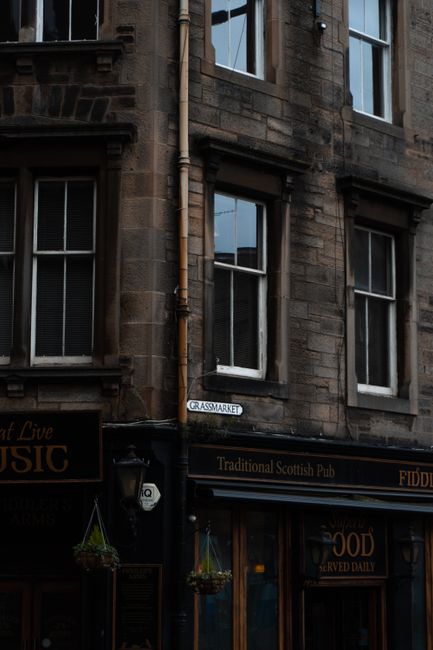
Edinburgh is generally safe at night but take normal precautions: avoid isolated alleys after midnight, watch your belongings in busy tourist areas, and use licensed taxis for late journeys. Pubs typically close around 23:00–01:00 depending on the day and venue. For lively evenings head to Grassmarket and Cowgate for bars, or New Town for more refined cocktails.
Travelling with Kids
For families aim for spring and early summer (May–June): kinder weather and child-friendly activities. Dynamic Earth (112-116 Holyrood Rd, EH8 8AS) and the National Museum offer interactive displays. Family ticket deals vary — check online (often 2 adults + 2 children for €40–60 depending on the attraction).
Transport, Accommodation and Seasonal Budgets
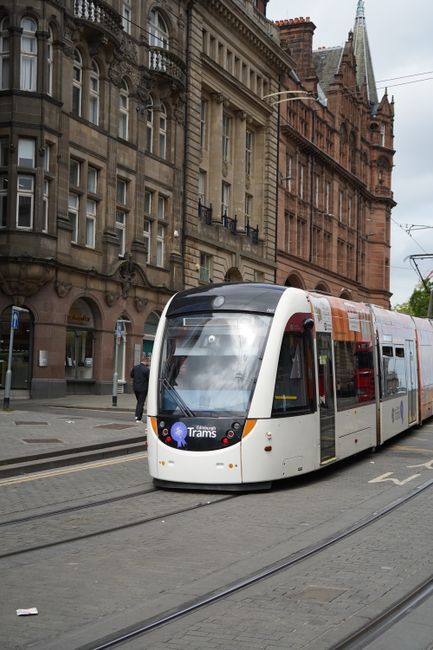
Getting around Edinburgh is straightforward thanks to a dense bus network, a tram and taxi services. The tram links Edinburgh Airport (Edinburgh Airport, Edinburgh EH12 9DN) to the city centre: a single ticket is about €7, with frequent daytime services. Lothian Buses are the backbone of local transport; single tickets cost around €2.50, day tickets about €4.50–5.50. Licensed taxis are identified by roof lights — expect fares to at least double during festival nights.
Accommodation prices vary widely by season: in high season (July–August) budget for €120–300 per night for a 3–4 star hotel in the centre; in low season (January–February) many places offer deals around €60–120. Hostels typically cost €20–40 per night in dorms. For a local feel, rent an apartment in Stockbridge (Stockbridge, Edinburgh EH3) or Leith — prices are often better outside peak tourist weeks.
Daily budget examples: budget traveller €50–70 (hostel, cheap meals, public transport), mid-range traveller €120–200 (3-star hotel, occasional restaurant meals, paid attractions), comfort traveller €250+ (4-star hotel, fine dining, ticketed shows). Book early for festivals and holiday dates to avoid steep price hikes.
Conclusion: When to Visit Edinburgh Based on What You Want
Choosing the best time to visit Edinburgh depends on your priorities. If low prices, local atmosphere and fewer crowds appeal, pick January to March: colder and wetter but perfect for a slower-paced discovery and better accommodation deals. For blooms, walks and longer days without extreme crowds, April to June is a balanced choice: mild temperatures, flowering gardens and cafés by the beach reopening.
If you want the city in full party mode with international shows and maximum cultural buzz, July and August are unmissable — but remember to book far ahead and expect higher accommodation and service costs. For a charming autumn experience with Christmas markets and seasonal lights, October to December is ideal: enjoy fall colours, festive events and a city lit up for the holidays.
Remember Edinburgh’s weather is changeable: flexibility and the right gear (waterproofs, layers, comfortable shoes) let you make the most of every season. Check opening times and prices for your top sights — Edinburgh Castle (Castlehill, EH1 2NG), Palace of Holyroodhouse (Canongate, EH8 8DX), National Museum of Scotland (Chambers St, EH1 1JF) — and book when needed to avoid queues, especially in summer. Finally, give yourself time to wander: sometimes rain turns the city into a melancholic, incredibly photogenic set piece, from the Royal Mile’s gas lamps to the historic facades — an atmosphere that’s part of Edinburgh’s charm.
Whether you seek winter calm, spring mildness, summer festival frenzy or year-end lights, Edinburgh will welcome you with its history, culture and natural beauty. Plan according to your mood, pack accordingly, and get ready to fall for a capital that reveals a different face all year round.